Eco Beauty News — August 2025
Upcycled Beauty — Turning Waste into Luxury
August 3, 2025
Brands are now creating high-end cosmetics from upcycled ingredients once considered waste. Coffee grounds, fruit peels, and even leftover grape seeds from winemaking are being repurposed into scrubs, oils, and serums.
The movement reduces landfill waste and highlights the circular economy in action. For example, research shows that coffee oil extracted from spent grounds contains high levels of antioxidants, comparable to fresh beans. Major European skincare labels have already introduced entire upcycled product lines, framing sustainability as both a responsibility and a luxury.
Eco-Friendly Sunscreens Protect More Than Skin
August 22, 2025
Traditional sunscreens often contain oxybenzone and octinoxate, chemicals linked to coral reef damage. Eco-conscious brands are switching to mineral-based formulas with zinc oxide and titanium dioxide, which are safe for marine ecosystems.
Hawaii, Palau, and parts of Mexico have already banned reef-harming sunscreens, accelerating consumer demand for alternatives. At the same time, dermatologists stress that mineral sunscreens not only protect against UVA and UVB but also reflect visible light, which contributes to skin aging.
The global reef-safe sunscreen market is projected to grow by more than 15% annually, proving that beauty can align with biodiversity protection.
Eco Beauty News
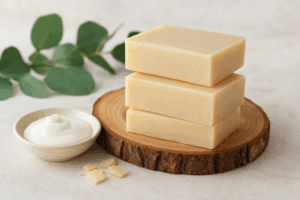
Solid Soap is Making a Comeback — and It’s Smarter Than You Think
Solid soap bars are staging a confident return: they use dramatically less packaging, contain fewer stabilizers than liquids, and often last two to three times longer. Cold‑process bars retain naturally formed glycerin, a humectant that helps keep the skin barrier hydrated after cleansing. Compared with pump bottles, bars cut plastic right at the source. One bar can replace 2–3 liquid bottles, and when wrapped in paper or placed in a reusable tin, the waste footprint approaches zero. The concentrated format also reduces transport emissions because you’re not shipping water. Ingredient decoding: look for a balanced blend of saturated fats (coconut, cocoa butter) for cleansing and lather, plus unsaturated oils (olive, sunflower) for mildness. Superfatting at 3–7% leaves a protective buffer of oils that reduces tightness after washing.Quick Guide: Choosing a Bar
- Dry / tight: shea, olive, oat milk, glycerin.
- Sensitive: fragrance‑free bases, calendula, goat milk.
- Oily / combo: gentle clays, green tea, charcoal.

Eco‑Friendly Bags: Fashion, Function, and Footprint
Reusable bags moved from checkout lanes to runways. Minimal cotton totes, rugged hemp shoppers, and sleek recycled‑PET backpacks align aesthetics with sustainability. The best models combine reinforced seams, dense weaves, and timeless silhouettes. Cotton is familiar and easy to wash; hemp is stronger and grows with little pesticide; recycled PET diverts plastic from landfills and offers water resistance. Jute shines for structure and a natural texture, while blends balance durability with softness. “One sturdy tote can replace hundreds of single-use bags annually. However, the environmental break-even point is reached only through frequent use — not by keeping a dozen totes ‘just in case’.”Top Natural Ingredients for Glowing Skin — What Actually Works
Plant‑based skincare can be sophisticated. Aloe vera calms heat and tightness; green tea polyphenols reduce visible redness; jojoba oil mimics sebum for balanced moisture without a greasy finish. Combined thoughtfully, they form a routine that supports the skin barrier. Barrier support: ceramide‑rich formulas (often paired with cholesterol and fatty acids) mimic the skin’s own mortar. Oat beta‑glucan binds water and comforts flaky areas, making it a friend for sensitive types. Brightening, gently: niacinamide (vitamin B3) is a star for uneven tone and texture, and it pairs well with most botanicals. Azelaic derivatives and licorice root add a non‑harsh boost for calming post‑blemish marks. Home recipe (safe): 1 tsp aloe gel + 2 drops green‑tea extract + 1 tsp cooled chamomile tea = a calming compress. Patch‑test first; keep DIY mixes refrigerated and discard within 48 hours. What to treat carefully: essential oils in high concentrations, coarse scrubs, and highly alkaline soaps on the face. A pH‑balanced cleanser preserves enzymes and microbiome harmony.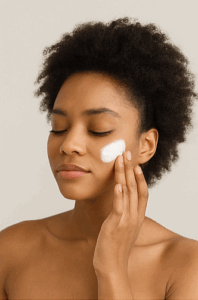
New Eco Cosmetics This Winter — Packaging and Formulas Evolve
Winter drops showcase sustainability: refillable lipsticks, magnetic palettes with paper pans, and waterless balms that deliver potency with fewer preservatives. Brands are prioritizing transparent sourcing and responsibly mined micas. Aluminum and glass lead the way in recyclability, while PCR plastics reduce the demand for virgin polymers. Biodegradable shimmer made from plant cellulose is replacing traditional PET glitter in the new season’s collections.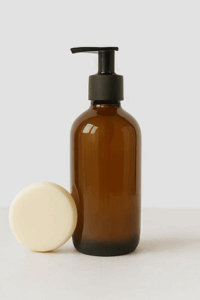
Eco Habits for Healthier Skin — Build a Routine That Lasts
Eco beauty is less about perfection and more about momentum. Start with swaps you’ll actually keep: reusable pads, bar cleansers for body, and concentrated serums that stretch for months. Declutter to calm skin: over‑layering can trigger irritation. Aim for 3–4 core steps that you love and stick to. Track your skin weekly; remove what doesn’t earn its spot. Water & energy: shorter, lukewarm showers help the barrier and the planet. A leave‑on body lotion‑bar post‑shower seals moisture without a plastic pump. Mind the bin: keep a tiny “empties” corner; when it fills, recycle/return in one go. Many stores offer take‑back for pump heads and compacts.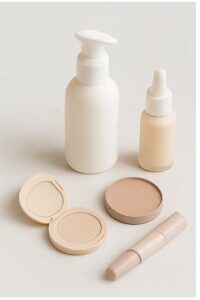
Refillable Cosmetics on the Rise — How to Build a Circular Kit
Refill systems shift beauty from disposable to modular. A durable case houses a replaceable cartridge; when the inner pod empties, you swap it — not the whole product. This reduces plastic, shipping weight, and long‑term cost. Before committing, check refill availability in your region, mechanism sturdiness, and whether the brand accepts empties. Clean cases with an alcohol wipe; let them dry before inserting a new pod.